The Art and Science of Leadership
by Donald Clark
Welcome to The Art and Science of Leadership, a comprehensive collection of articles and activities for developing leadership skills and knowledge. Becoming a good leader is not easy, but with learning the correct skills and knowledge, putting them into practice, and adapting them to different situations will put you well on your way.
Leadership Manual
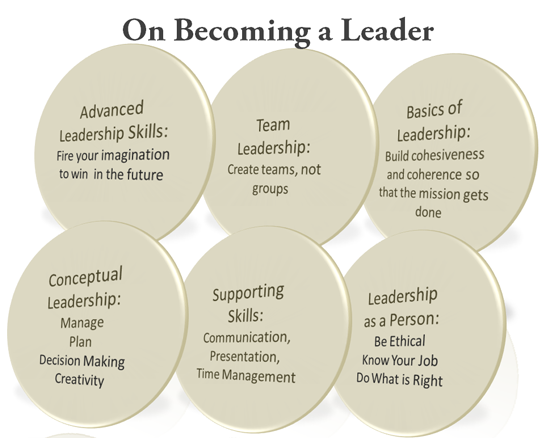
The guide starts below and is divided into three sections, Basics of Leadership, Team Leadership, and Advanced Leadership Skills.
Also included in this guide is an activities page that allows you to practice some of the concepts in order to develop your skills.
Basics of Leadership
-
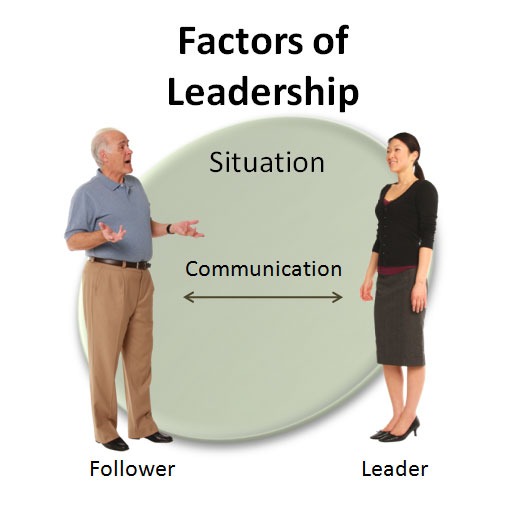
Concepts of Leadership: definition, principles, factors, processes, and difference from management
-
Leading: basic leadership skills, such as goal setting, supervision, and inspiring
-
Direction: planning with the Shewhart Cycle and problem solving
-
Leadership Models: Four Framework Approach and the Managerial Grid
-
Human Behavior Part I: Hierarchy of Needs, Hygiene and Motivation Factors, Theory X/Y
-
Human Behavior Part II: Expectancy Theory and ERG Theory
-
Motivation: allowing the needs of your team to coincide with the needs of your organization
-
Counseling and Performance Appraisals helping employees develop in order to achieve organizational goals
-
Leadership Styles: the manner and approach of providing direction, implementing plans, and motivating people
-
Transformational Leadership: changing the basic political and cultural systems of an organization
-
Character and Traits of Good Leaders: being a person of honorable character
-
Ethos and Leadership: ethics for leaders
-
After Action Review: steps, guidelines, and strategies for capturing lessons learned
Team Leadership
-
Growing A Team: becoming a team leader
-
Matrix Teams: creating a cross-functional teams to accomplish more through the use of knowledge and skill sharing
-
Team Leadership Model: a road map to help diagnose team problems and then take appropriate action to correct team problems
Advanced Leadership Skills
-
Horizontal Leadership: Flattening the Organization: moving beyond hierarchical or vertical leadership
-
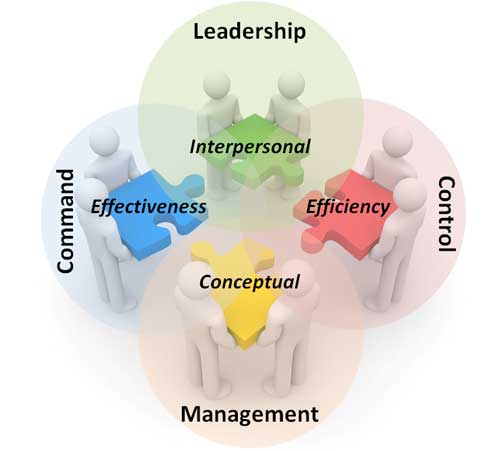
The Four Pillars: Leadership, Management, Command, and Control
-
Path-Goal Theory of Leadership specifying a leader's style or behavior that best fits the employee and work environment in order to achieve goals
-
Organizational Behavior: elements and models of organization behavior and development
-
Diversity all employees, from the CEO to the hourly workers, need to realize that to become the best, they have to embrace diversity
-
Diversity Continuum valuing diverse groups and cultures
-
Change: reshaping to the needs of a rapidly changing world.
-
Learning Organization: the level of performance and improvement needed in today's ever-changing environment requires learning
-
Mentoring: types of mentoring, finding a mentor, development, and creating a mentorship program
-
Visioning: moving the organization forward by looking towards the future
-
Sensemaking: the social nature and complexities of visualization
-
Strategy & Tactics: strategies are forward-looking, while tactics are more or less present or now-orientated
-
OODA Loop: decision making cycle of observing, orienting, deciding, and acting
Supporting Skills
-
Time Management: nothing can be substituted for time, once wasted, it can never be regained
-
Meetings: creating memorable meetings by preparing, conducting, and following-up
-
Communication: the exchange and flow of information and ideas from one person to another
-
Presentations: how to communicate ideas and information to a group
There is no such thing as a perfect leader, either in the past or present, in China or elsewhere. If there is one, he is only pretending, like a pig inverting spring onions into his nose in an effort to look like an elephant. - Liu Shao-Chi
Lesson Learned—we must consistently strive to improve ourselves.
Learning Activities
The Leadership Development Outline contains the above leadership guide, plus a variety of developmental tools, such as surveys, case studies, and reflective activities for each chapter.
Let's work together to solve this. . .
Leadership Development Model
Related Pages
- Leadership Definitions
- Leadership Quotes
- Frequently Asked Questions on Leadership
- The New Face of Leadership: Implications for Higher Education
- Mission Statements
- Leadership Books
- Leadership Links Page
While not part of the leadership section, these pages should be of interest to those studying leadership:
- Completing the Zen in Performance Management
- 70-20-10 Leadership Development Model vs. 3-33 Pervasive Learning Model
- Coaching
- History of Management
“The very essence of leadership is that you have to have a vision. It's got to be a vision you articulate clearly and forcefully on every occasion.” — Theodore Hesburgh, President of the University of Notre Dame